
Cuisine
Fresh, creative, and made with love — our daily homemade meals are one of the most memorable parts of your journey.
Everything Lica cooks is based on fresh, seasonal, and locally sourced ingredients: fish that comes directly from local fishermen, and fruits and vegetables supplied by small farms and cooperatives in the region.
Vegan, vegetarian, and gluten-free meals are available as well, prepared with the same care, creativity, and variety.
Onboard Dining
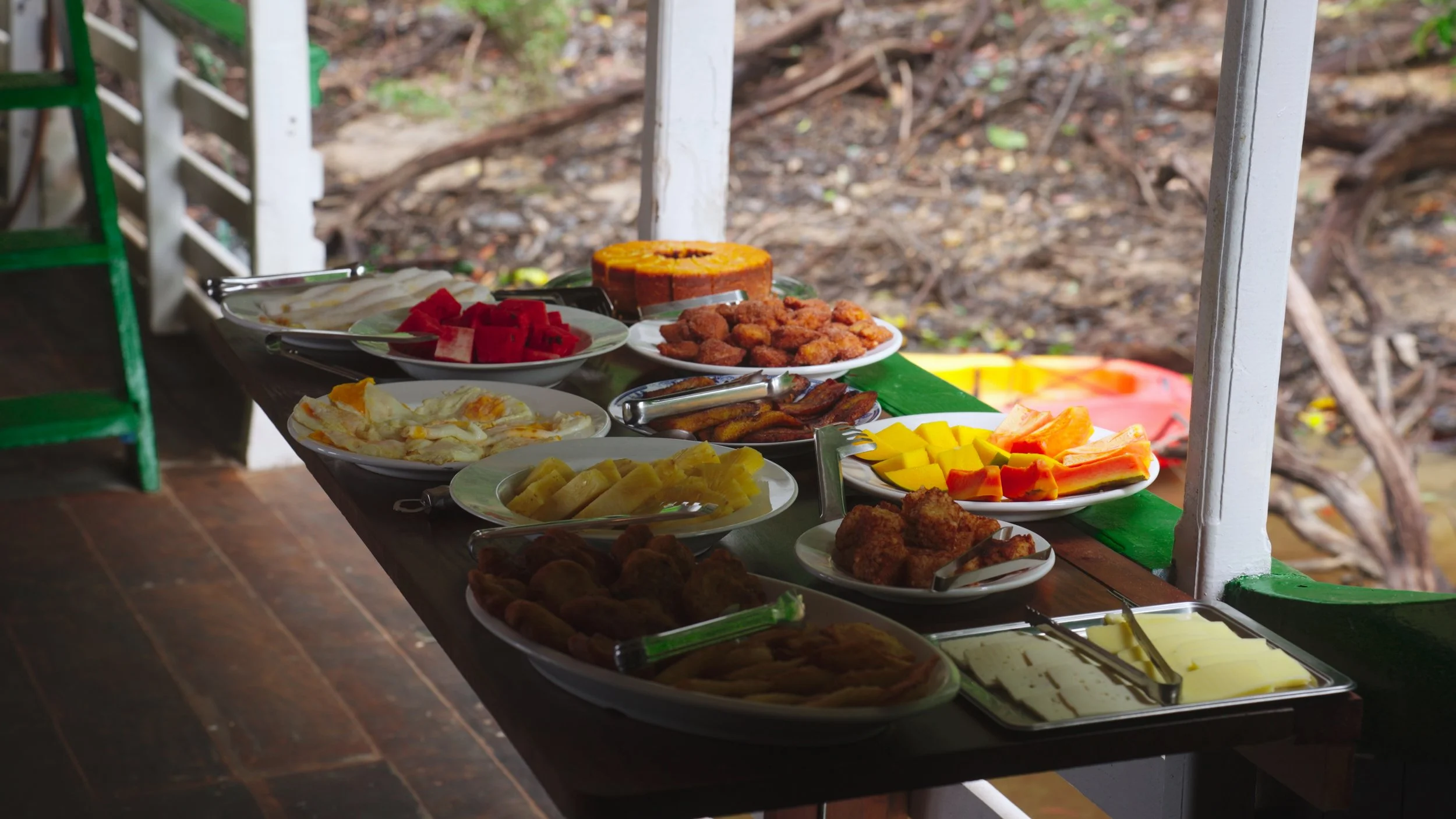
Our kitchen is open and part of daily life on board — every meal is freshly prepared, often with fish caught directly from the river.
Guests are always welcome to watch the cooking, talk with Lika, and learn more about local ingredients and Amazonian flavors.
It’s a space filled with warmth, creativity, and the joy of sharing good food together.
We serve breakfast, lunch, and dinner as a tasty buffet, offering a selection of dishes along with fresh fruit juices. Throughout the day, coffee, cake and fruits are always available, and at dinner, you can enjoy one of Lika’s homemade desserts.

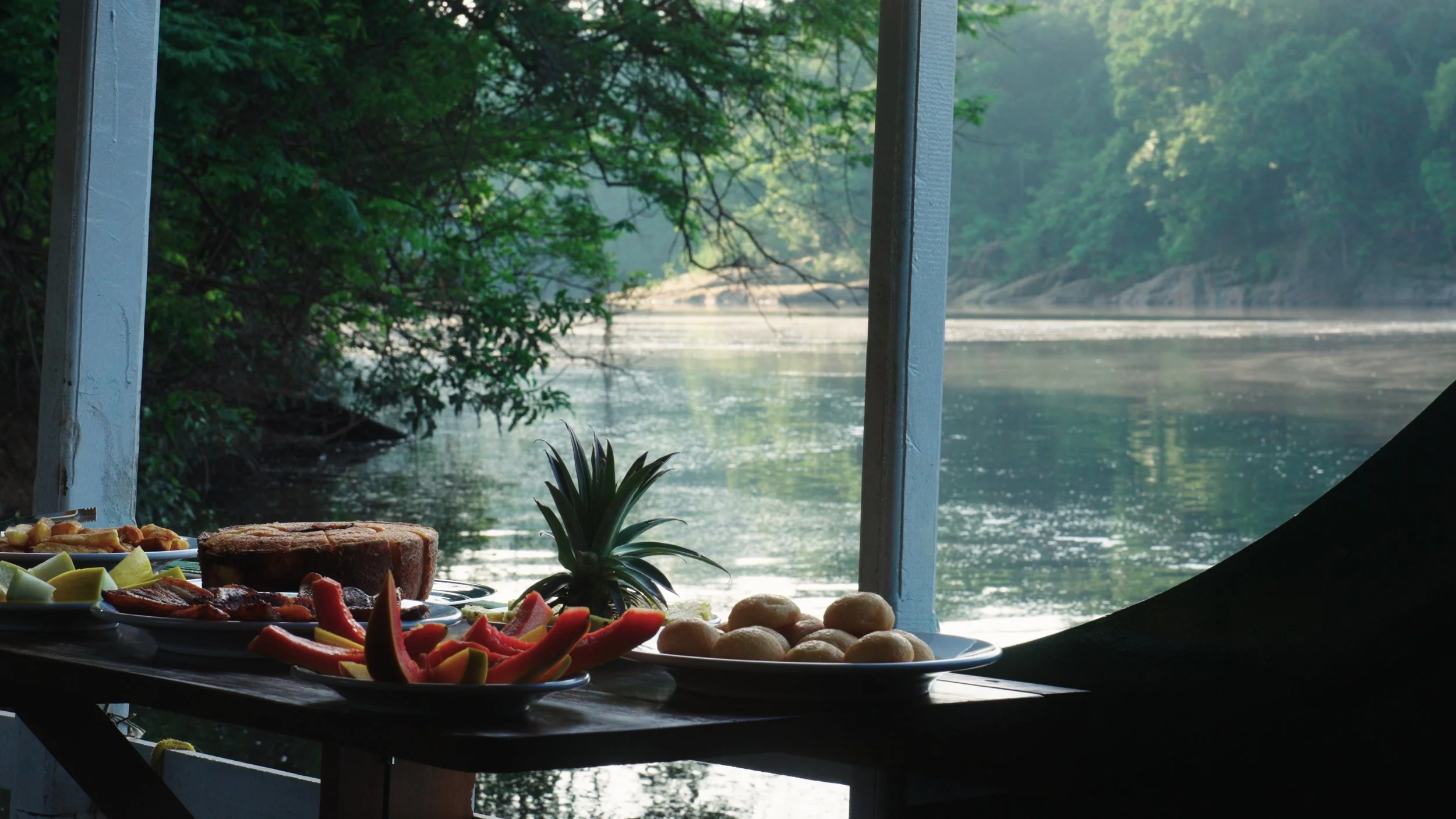
Culinary of the Amazon
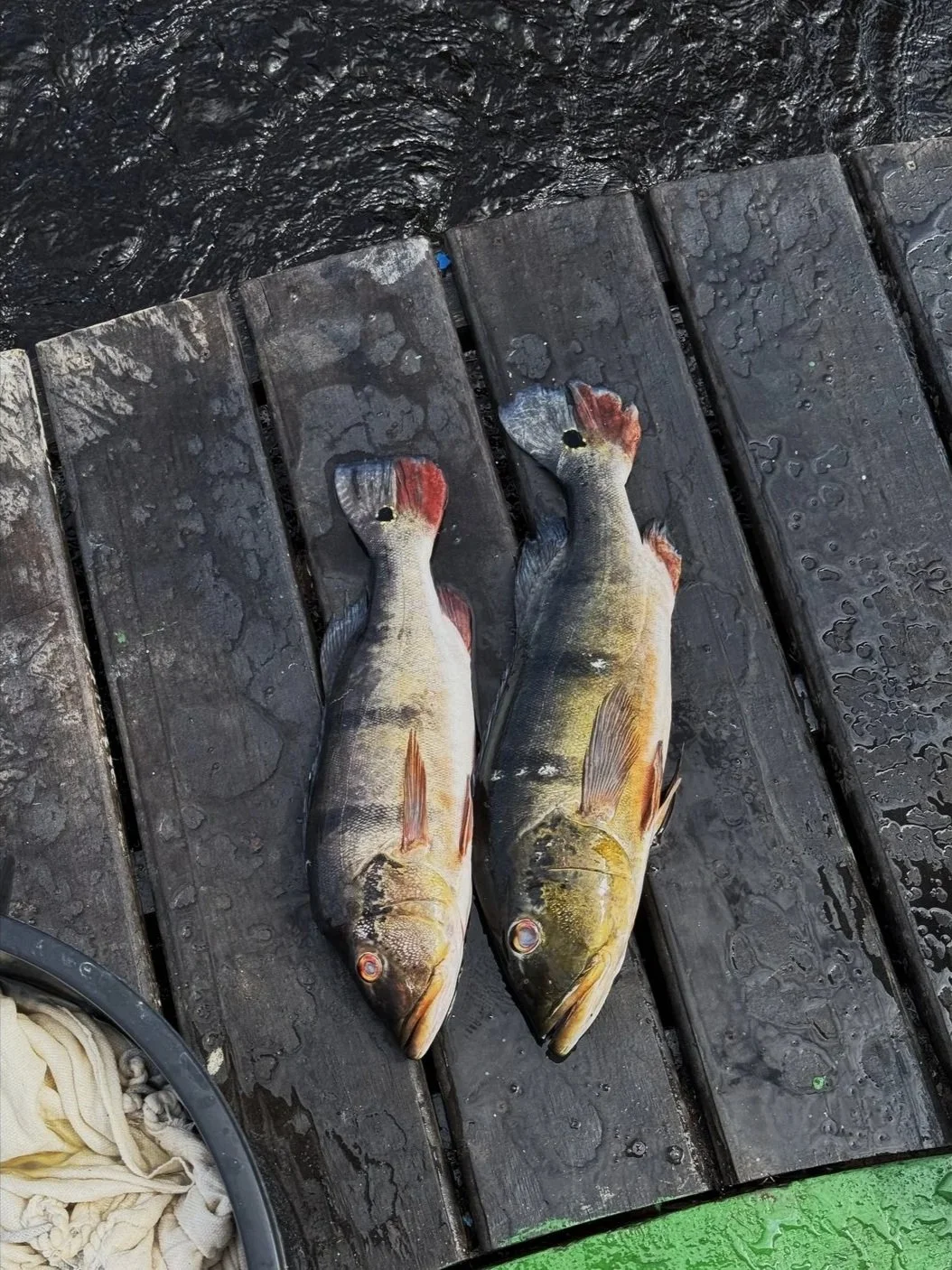
The Rio Negro and the Anavilhanas National Park form one of the richest freshwater ecosystems in the Amazon — home to an exceptional variety of fish species that sustain both the river’s biodiversity and the local communities who have relied on them for generations.
Much of the Amazon’s diversity can be felt directly in the water. The fish here are an essential part of daily life, culture, and cuisine.
Peacock Bass
Known locally for its fine flavour and firm meat, the Peacock Bass is a favourite both for fishing and for dinner tables.Tambaqui
Tambaqui is widely regarded as one of the tastiest freshwater fish in the Amazon basin and is often served grilled or roasted.Pirarucu
One of the world’s largest freshwater fish. Its firm, white meat is highly valued, and although tightly regulated, it remains an iconic species of the Amazon.Piranha
A well-known species used in traditional dishes, especially soups. Despite its reputation, it is a common and flavorful part of local cuisine(These species represent only a small glimpse of the vast fish diversity found in the Rio Negro’s blackwater system.)
Fish
Fruits
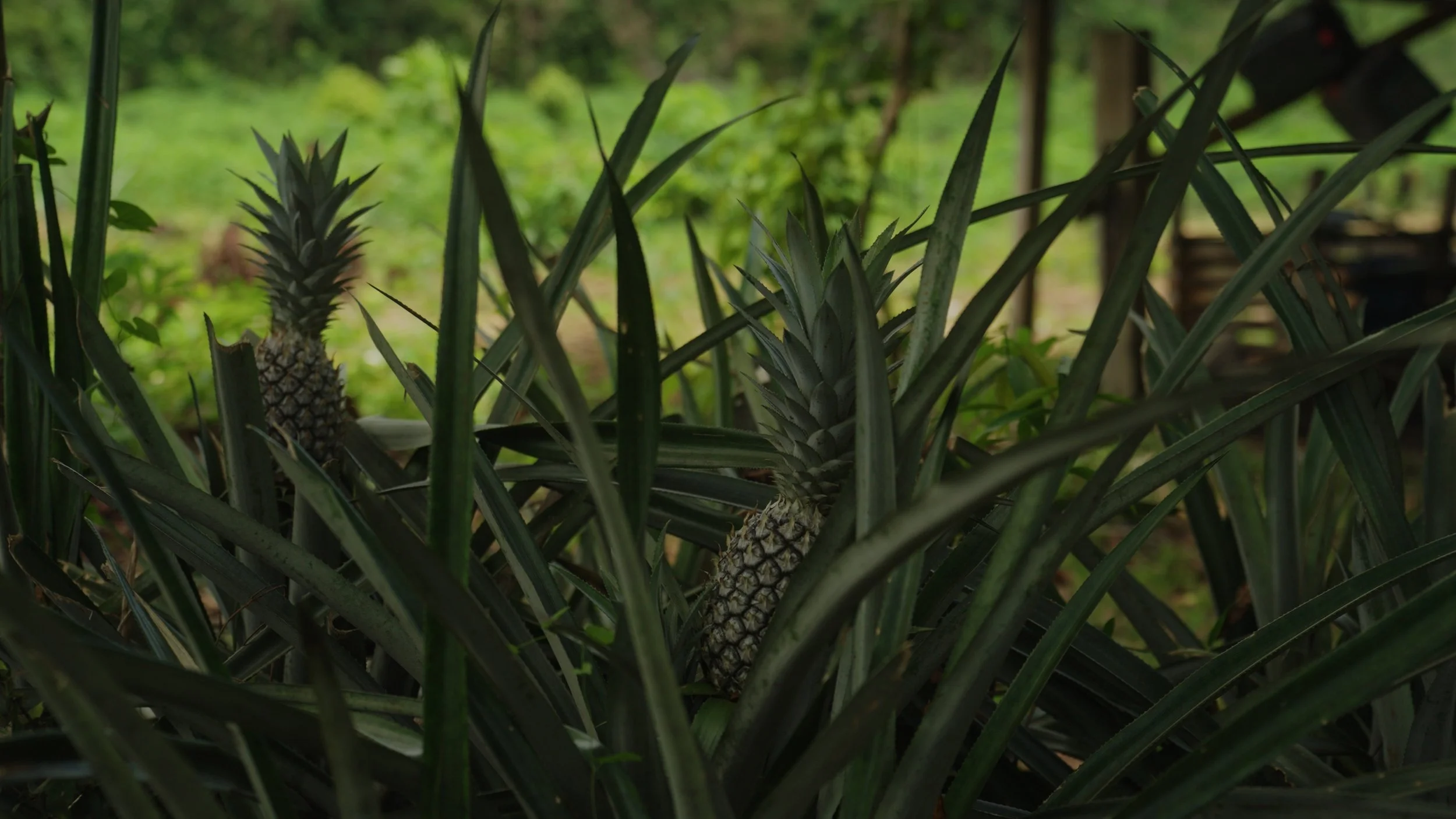
The Amazon rainforest is home to an extraordinary wealth of tropical fruits — many of them endemic to this region and found nowhere else in the world. The diversity of the forest is reflected directly in its plant life, with flavours, colours, and nutrients that are deeply rooted in the landscape and culture of the Rio Negro.
Alongside familiar fruits like pineapple, which also grows fresh in the region, the Amazon offers a range of unique and highly nutritious varieties. Some of the most iconic include:
Açaí — a dark blue berry native to Amazonian palm trees, long eaten by local river communities. Rich in nutrients and antioxidants, açaí is often enjoyed as a refreshing smoothie or simple puree.
Graviola — A soft, aromatic fruit with white pulp and a flavour between strawberry and citrus. Traditionally enjoyed fresh or as juice and valued for its high vitamin content.
Taperebá — A bright yellow fruit with an intense sweet-sour taste, often used for juices and frozen treats. Popular throughout the Amazon for its refreshing flavour.
Cupuaçu — related to cacao, this fruit has creamy pulp with a unique sweet-tart flavour and is a common ingredient in local sweets, ice creams or sauces.
Tucumã — An orange palm fruit with a rich, oily texture and a taste loved by people of the region. Often eaten fresh or used in traditional dishes.
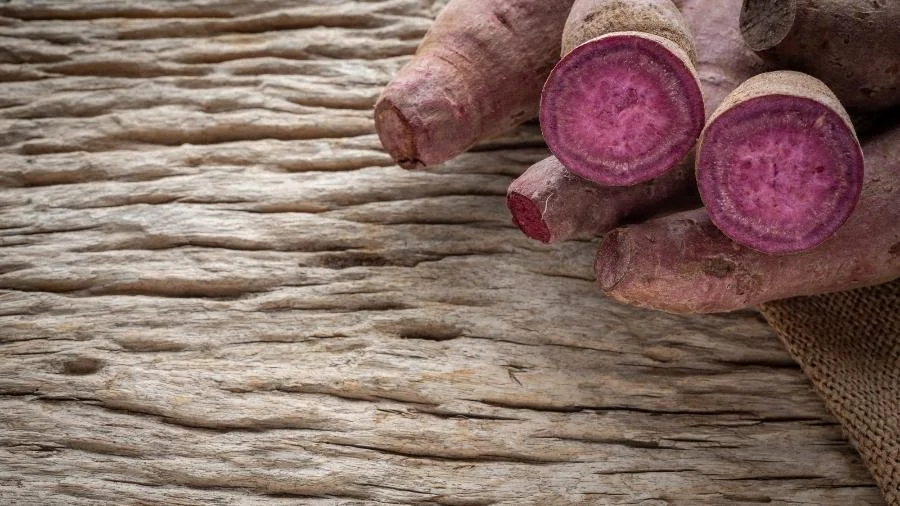
Roots & Cassava
The Amazon is home to an incredible variety of roots and potatoes. They have been essential ingredients for local communities for centuries. A local super food that comes in different shapes, colours, and flavours.
Among all of them, the manioc root (cassava) holds a special place. It is one of the most important ingredients in Amazonian cuisine and forms the base of many traditional dishes. The versatility of manioc is fascinating — from savoury to sweet, from breakfast to dinner.
Here are some of the most iconic preparations:
Farofa
Toasted manioc flour mixed with herbs or spices. Crunchy, aromatic, and served with almost every meal — a true Brazilian original.Tapioca
Made from the starch of the manioc root.
It can be eaten as a gluten-free pancake for breakfast, or shaped into crispy tapioca balls — a popular snack or small aperitivo on board.Tucupi
A bright yellow liquid extracted from the fermented manioc root. Used in traditional soups, sauces, and fish dishes — rich, tangy, and completely unique to the Amazon.Cassava
From the non-toxic variety of manioc, which can be roasted in the oven or fried into hearty pieces. Crispy outside, soft inside — simple and delicious.
Get in touch.
If you have questions, need help planning your trip, or simply want to learn more, feel free to reach out. We’re happy to assist and look forward to hearing from you.